Excelling at Accounting Software Bookkeeping: Vital Tips for Small Business Success
Understanding Accounting Software bookkeeping is vital for small businesses seeking fiscal transparency. This versatile platform streamlines numerous elements of business accounting. From automating invoicing to tracking expenses, Accounting Software helps improve business productivity. Nevertheless, a significant number of small enterprises overlook critical strategies that might fully unlock its capabilities. Understanding these nuances can distinguish a business from its competitors. What essential actions are needed to guarantee optimal performance from Accounting Software? These valuable tips will illuminate the path to sound business accounting.
Why Accounting Software Is a Must-Have for Small Businesses
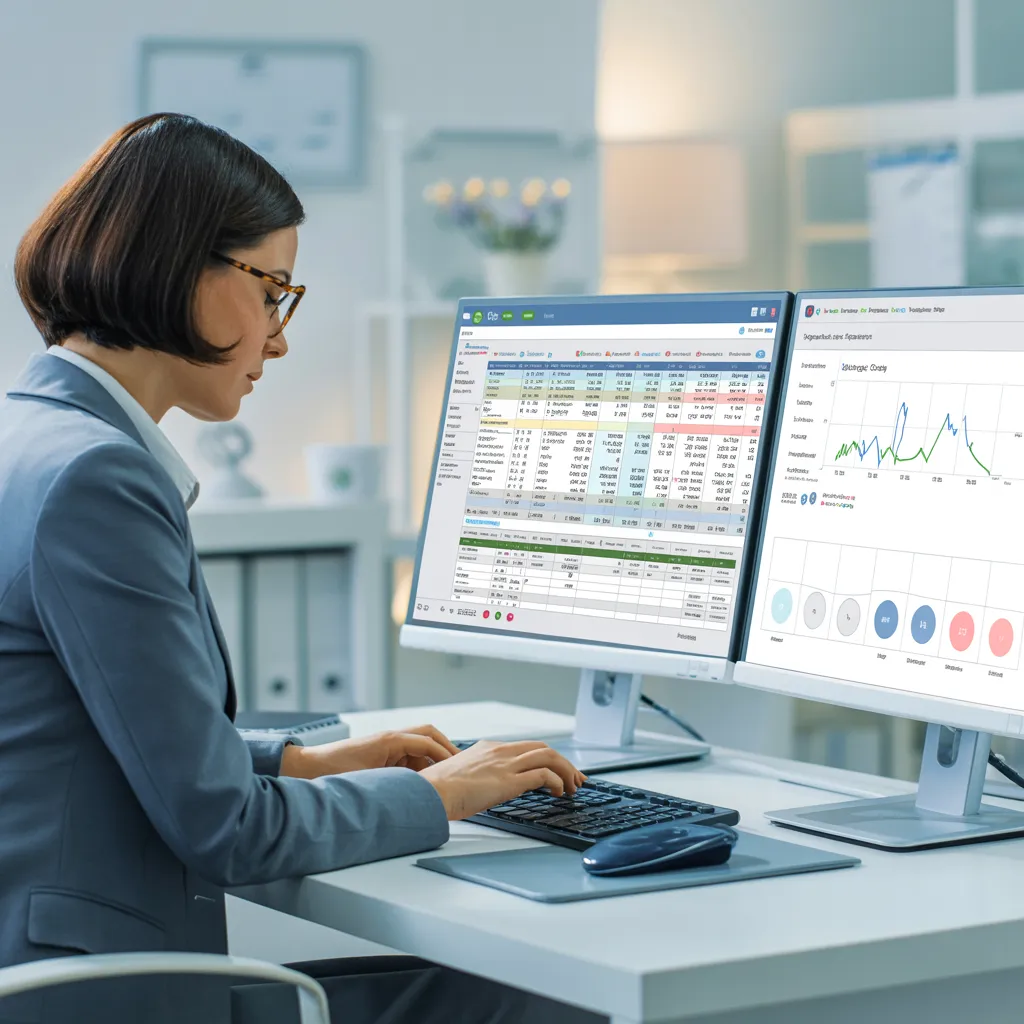
Accounting Software has established itself as a vital resource for small businesses, as it streamlines financial management and enhances operational efficiency. By delivering an easy-to-use interface, it empowers entrepreneurs to oversee invoicing, expense monitoring, and payroll administration with ease. The software automates time-consuming tasks, reducing the likelihood of errors and freeing up valuable time for business owners to focus on growth strategies.
In addition, Accounting Software provides advanced reporting capabilities that offer visibility into financial standing, facilitating data-driven decision-making. Entrepreneurs can effortlessly evaluate cash movement, profit margins, and other vital performance factors, helping them to respond to fluctuating market trends. Integration capabilities with external business software further enhance its functionality, supporting efficient data processing across platforms. Operating as a cloud-based system, Accounting Software assures that monetary records is accessible anytime, anywhere, cultivating cooperative work among staff. Ultimately, Accounting Software is critical for emerging businesses aiming for efficiency and informed financial oversight.
How to Properly Set Up Your Accounting Software Account
Setting up a Accounting Software account accurately is vital for optimizing its advantages. Initially, a business owner should select the appropriate version of Accounting Software that aligns with their operational needs, whether it be Desktop or Online. After selecting the right version, the subsequent step requires creating a new account by inputting essential details such as the business name, address, and industry type. This input helps Accounting Software customize its capabilities to the particular demands of the business.
Once the account is created, users should organize their chart of accounts, grouping income, expenses, assets, and liabilities according to their financial structure. Subsequently, integrating bank accounts and credit cards allows for seamless transaction tracking. Finally, customizing preferences, such as invoice templates and sales tax, guarantees that the account corresponds to the business's operational standards. By consistently following these steps, users can build a solid foundation for successful bookkeeping with Accounting Software.
Simplifying Invoicing Using Accounting Software Tools
Invoicing can often be a time-consuming process for businesses, but Accounting Software offers tools to simplify it. By automating the creation of invoices and personalizing templates, users can improve productivity while preserving a polished look. This method not only reduces time spent but also ensures uniformity in billing procedures.
Automating the Invoice Generation Process
Optimizing the invoicing process can significantly improve a organization's efficiency and cash flow. Leveraging Accounting Software for automated invoice generation allows businesses to cut down on errors and conserve time. By establishing recurring invoices for regular clients, companies can guarantee timely billing without human intervention. Accounting Software also enables users to create and schedule invoices, simplifying the payment collection process. The software can automatically calculate taxes and discounts, removing the necessity of tedious calculations. Moreover, automated reminders can be sent to clients, improving the chances of prompt payments. This functionality not only minimizes administrative burdens but also fosters better cash flow management. At its core, automating invoice generation allows business owners to concentrate on growth rather than mundane explanation tasks.
Tailoring Invoice Templates
Customizing invoicing templates in Accounting Software enables businesses to create tailored billing experiences that showcase their brand identity. By using Accounting Software' powerful design tools, users can adjust elements such as fonts, logos, and colors to guarantee consistency with their overall branding. This personalization not only enhances the polished appearance of invoices but also builds trust and recognition among clients. Moreover, businesses can tailor invoice fields to feature specific information pertaining to their services, such as service details or payment conditions. Accounting Software also permits users to maintain multiple templates for different clients or services, streamlining the invoicing process. Ultimately, customized invoice templates in Accounting Software considerably boost the efficiency and effectiveness of billing, contributing to a more seamless financial workflow.
Managing Your Expenses With Accounting Software Efficiency
Streamlined expense monitoring in Accounting Software encompasses organizing expense categories and leveraging receipt scanning capabilities. By categorizing expenses accurately, users can obtain better visibility into their financial standing. Furthermore, leveraging receipt capture simplifies the workflow, minimizing manual data entry and enhancing accuracy.
Managing Expense Categories
Moreover, the use of subcategories can enhance tracking precision, allowing businesses to monitor specific expenses in detail. Consistently revisiting and refreshing these categories ensures they stay applicable as the business grows. With properly organized expense classifications, small businesses can improve accuracy in financial statements and make informed decisions that support long-term growth and sustainability. Proper categorization eventually results in improved financial well-being and transparency in business operations.
Making Use of Receipt Capture
Managing expense tracking becomes significantly simpler with the utilization of receipt capture in Accounting Software. This functionality enables small business owners to seamlessly capture and manage their receipts, reducing the chance of misplaced records. Users can simply take a photo of a receipt using the Accounting Software mobile app, which automatically extracts key data such as date, vendor, and amount. The extracted data is then sorted and matched with existing entries, guaranteeing precision and preserving significant time. By utilizing this powerful receipt scanning tool, businesses can establish stronger financial visibility and ease tax management. Additionally, this feature strengthens adherence to documentation standards, delivering confidence when facing financial reviews. In summary, integrating receipt capture into routine workflows significantly improves expense management efficiency.
Utilizing Financial Reports for Intelligent Decision-Making
Leveraging the strength of financial reports can markedly elevate decision-making within a business. These reports, which include income statements, asset summaries, and liquidity assessments, provide critical insights into a company's financial health. By regularly reviewing these documents, business owners can recognize patterns, evaluate earnings, and recognize potential risks.
Financial statements also support informed budgeting and forecasting, enabling effective allocation of resources. As an example, a comprehensive review of revenue channels can highlight which products or services are not meeting expectations, prompting targeted marketing or operational adjustments. Furthermore, analyzing cash flow behaviors assists in avoiding cash flow shortfalls, making certain the organization can satisfy its financial responsibilities.
At its core, harnessing financial reports equips small business owners to make well-informed, data-driven decisions, encouraging growth, productivity, and lasting sustainability. Through embedding these insights into their strategic planning, businesses can overcome obstacles and leverage opportunities with greater effectiveness.
5 Accounting Software Mistakes Every Small Business Should Avoid
Comprehending financial documents is a fundamental step for small enterprises aiming to improve their decision-making. However, many businesses encounter challenges when utilizing Accounting Software. One frequent mistake is overlooking the need to reconcile accounts consistently, which can result in discrepancies in financial statements. Additionally, not taking the time to categorize expenses correctly can skew profit margins and mislead business owners about their financial standing.
One other frequent error is overlooking the significance of backups. When data backups are not performed regularly, businesses run the risk of losing vital financial records. Numerous small business owners also overlook the importance of utilizing reports; failing to make use of these resources can impede sound business strategy. To conclude, inadequate training on Accounting Software features leads to inefficient workflows, leading to lost productivity and increased error rates. Through identifying and correcting these errors, small businesses can optimize their Accounting Software usage, creating a foundation for stronger financial management and long-term success.
Accounting Software Learning Materials for Continued Support
How can small businesses continuously improve their Accounting Software skills? Taking advantage of diverse learning tools can be essential in boosting bookkeeping efficiency. Accounting Software provides formal training courses and certification pathways intended to help users achieve software proficiency. These programs address core capabilities and sophisticated functions, accommodating users of varying expertise.
Furthermore, entrepreneurs can benefit from online platforms, such as platforms like Udemy and LinkedIn Learning, which supply instructional videos and expert-guided courses. Connecting through online community forums, like the Intuit Community forum, allows users to share insights and practical solutions, fostering a collaborative learning environment.
Additionally, local workshops and webinars often provide direct training, deepening practical insight. Registering for Accounting Software blogs and industry newsletters can keep businesses updated on new features and best practices. By making use of these extensive resources, small businesses can ensure ongoing support and continual improvement in their Accounting Software record-keeping proficiency.
Frequently Asked Questions
Can I Use Accounting Software for Multiple Businesses?
Absolutely, Accounting Software works well for more than one business. You can set up distinct company files for each individual business, which allows them to handle finances, track transactions, and produce reports on an individual basis, maintaining organized bookkeeping for all different business ventures.
How Often Should I Reconcile My Accounts in Accounting Software?
Monthly reconciliation of accounts in Accounting Software is essential to guarantee accuracy. Consistent reconciliation allows for early detection of discrepancies, upholding financial integrity and offering a comprehensive view of the business's financial standing for informed decision-making.
What E-Commerce Integrations Are Available with Accounting Software?
Accounting Software offers numerous integrations for e-commerce, including solutions such as BigCommerce, Shopify, and WooCommerce. Such integrations optimize financial operations, empowering users to automatically sync sales data and manage inventory efficiently inside Accounting Software.
Can Non-Profit Organizations Benefit from Accounting Software?
Accounting Software is indeed suitable for non-profit organizations, delivering capabilities customized for monitoring donations, overseeing grants, and producing financial reports. Its flexible tools enable non-profit organizations to maintain transparency and guarantee compliance with regulatory requirements effectively.
How Do I Process Payroll in Accounting Software?
To process payroll in Accounting Software, one must set up employee profiles, provide the necessary tax data, and execute payroll with the application's dedicated payroll functions. Regularly review reports to guarantee accuracy and compliance with regulations.